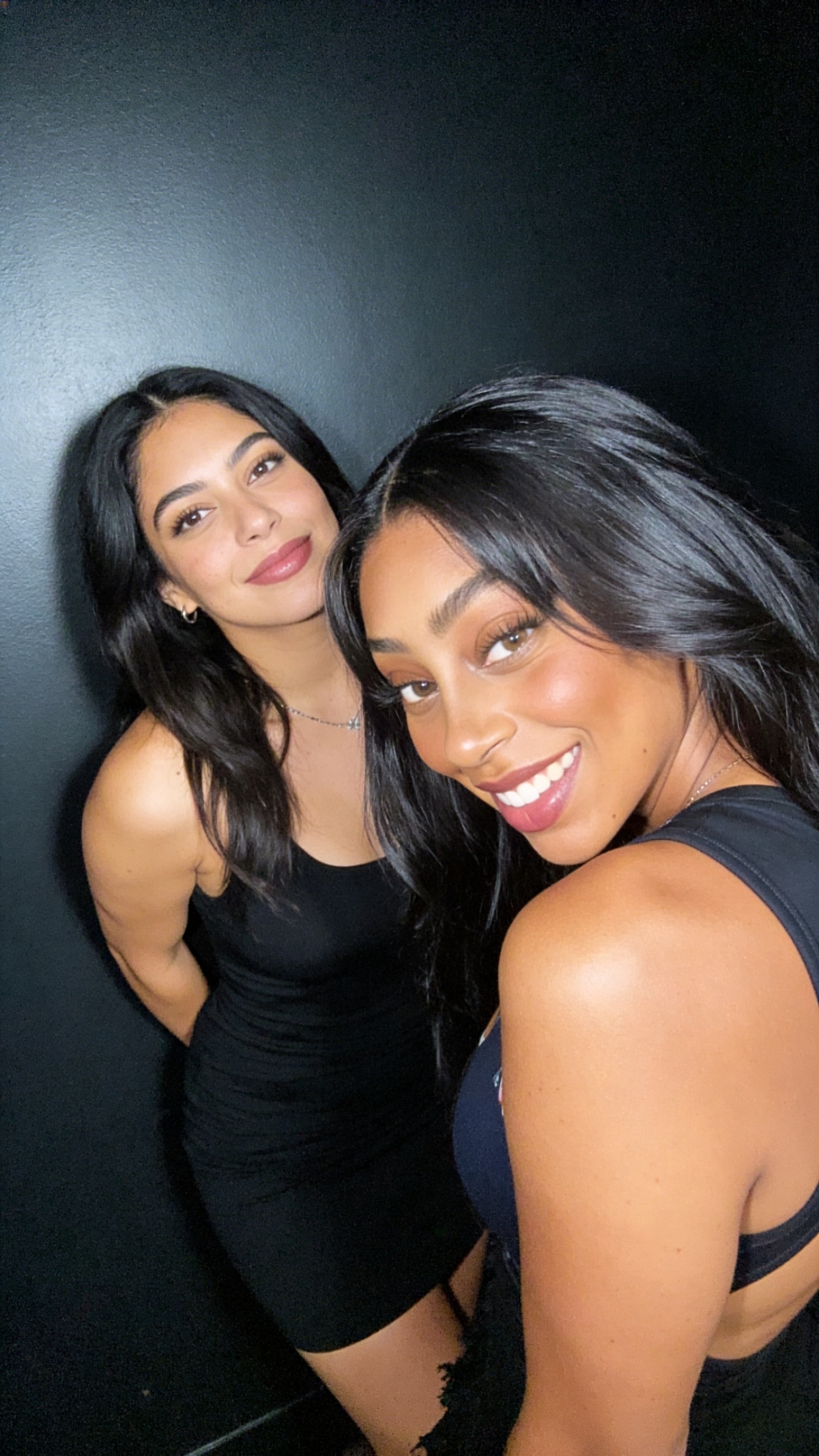
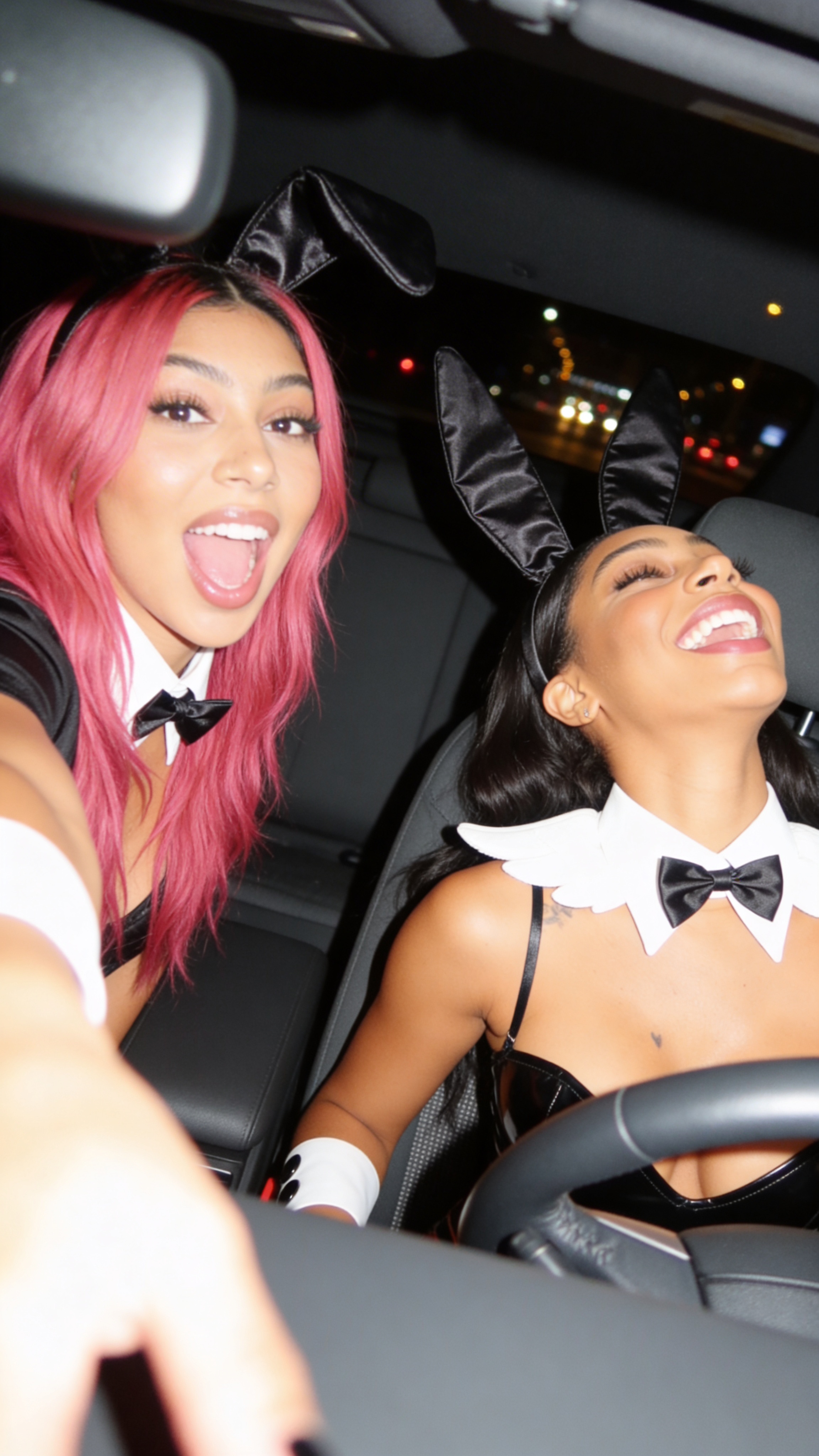
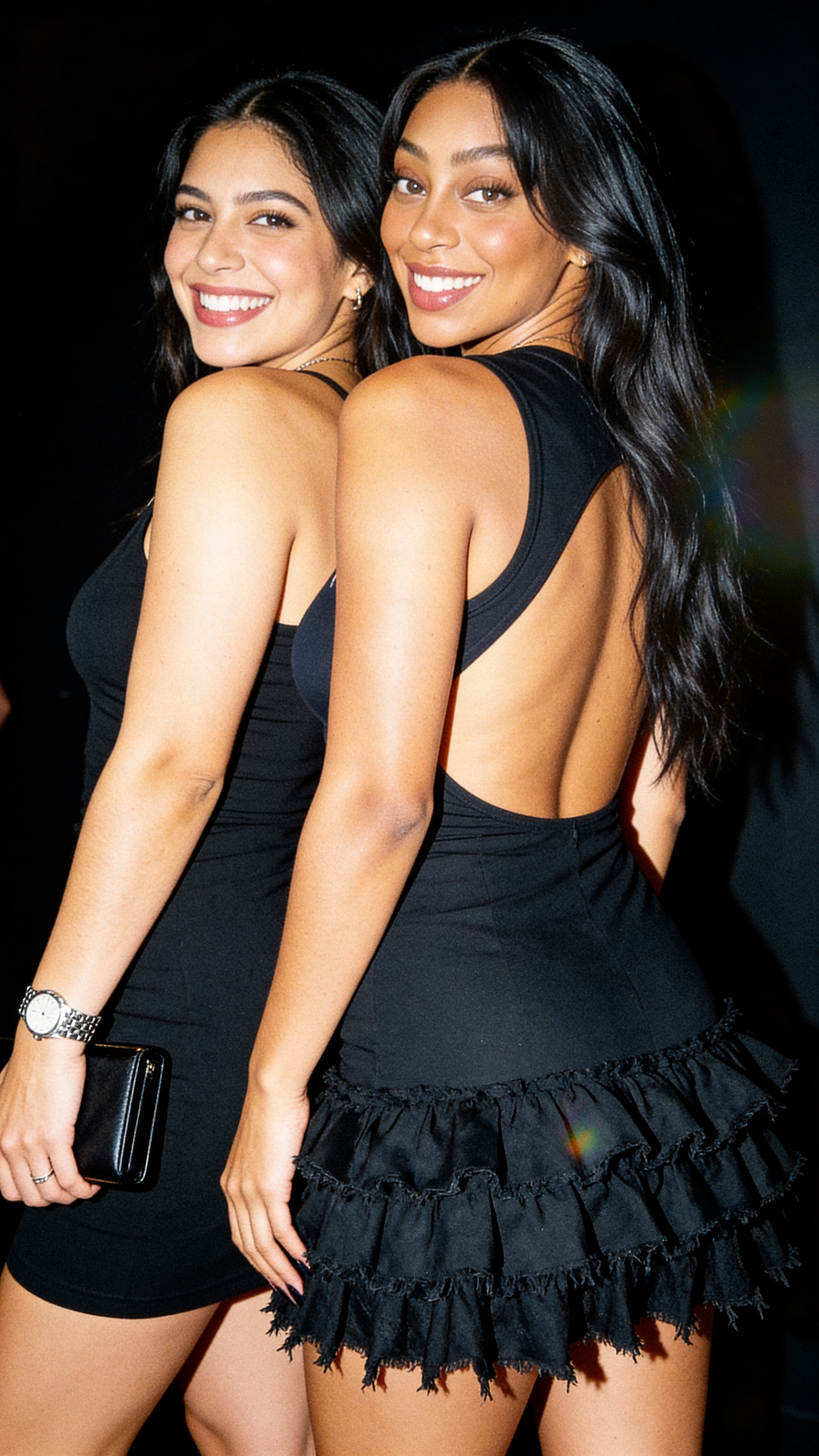
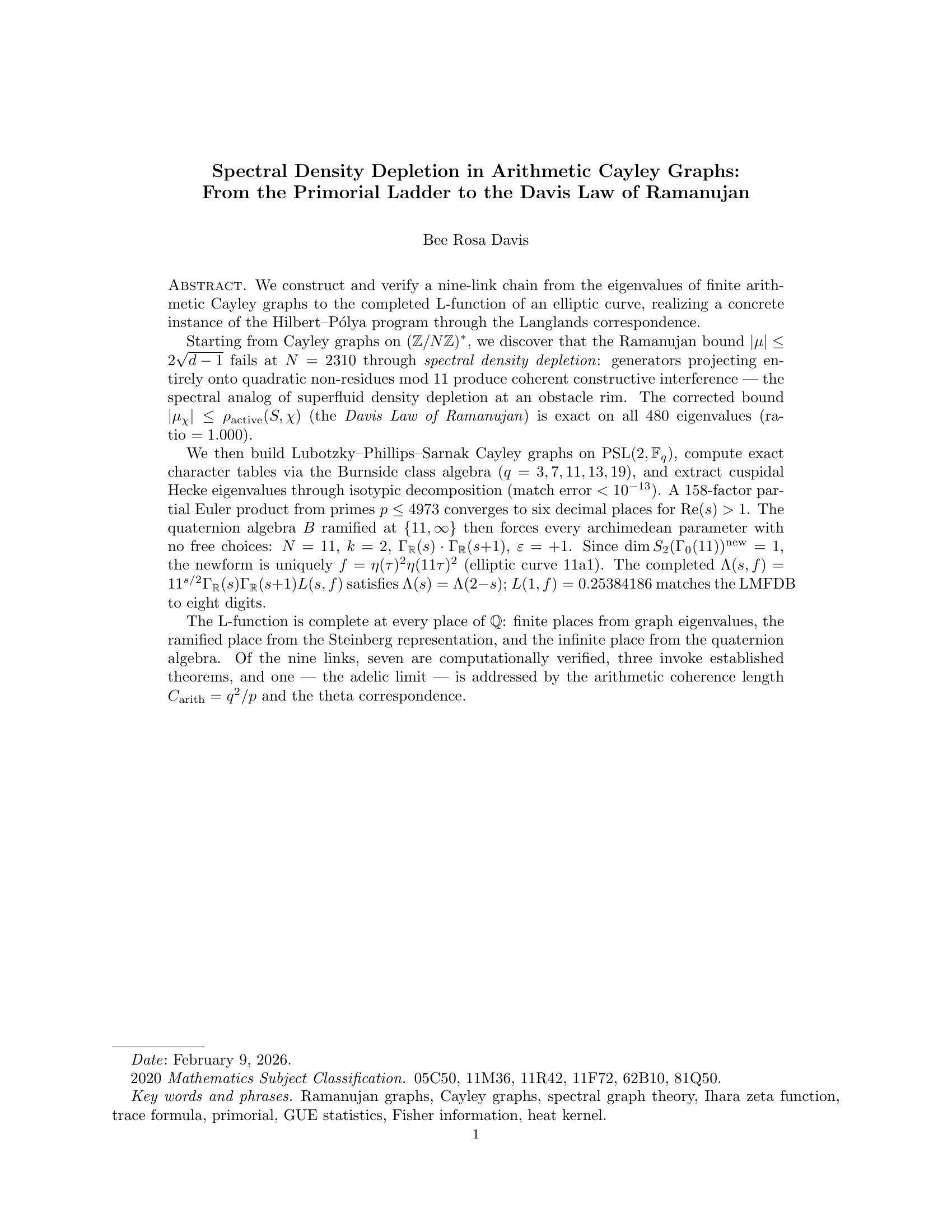
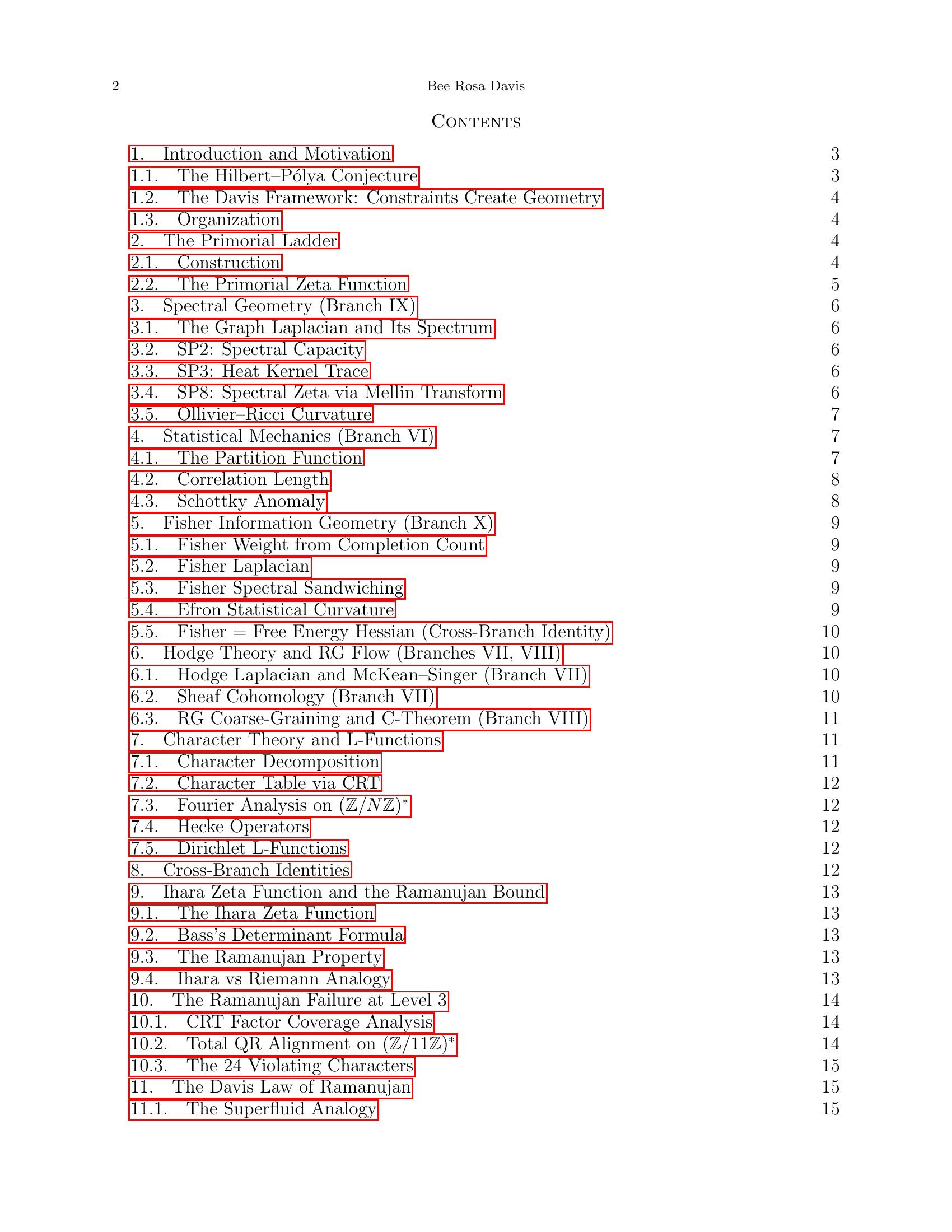
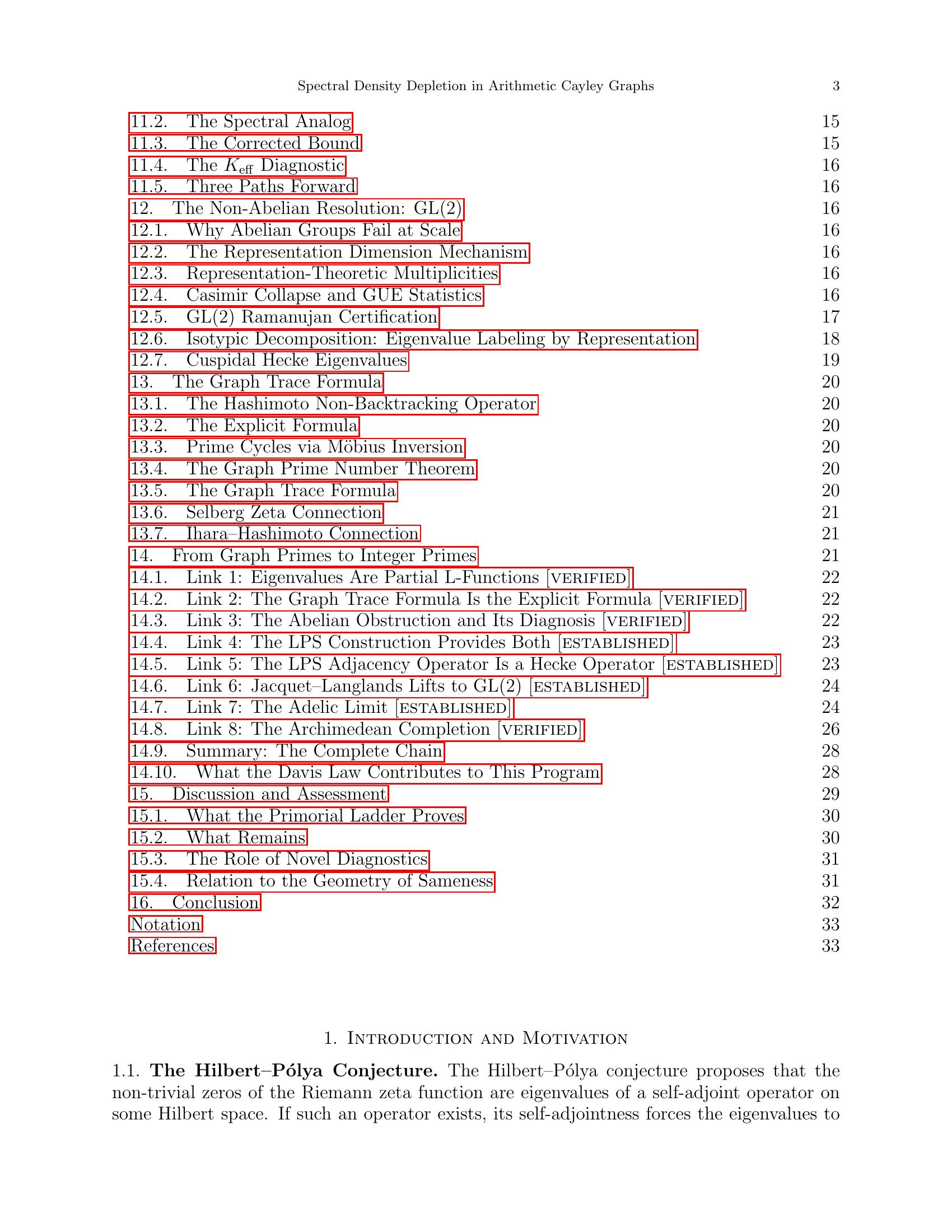
If you're here from LinkedIn, you read the version of this story that starts at the wedding. The math version. The one where I'm standing next to Prikka in a burgundy lehenga talking about Ramanujan and spectral density depletion.
That's all true. If that's what you came for—the paper, the proof, the nine-link chain—it's here.
But that's not where the story starts.
It starts with Prikka.
· · ·
There are friendships that stay inside the lines, and then there are the ones that don't know where the lines are. Prikka and I were the second kind. We traveled together. We shared beds in hotels in cities I won't name because the stories aren't just mine to tell. We had the kind of closeness that made other people ask questions we never bothered answering.
She knew I was dougla before I ever used the word out loud. She knew about the math before I published any of it. She knew about the parts of me I was still figuring out how to show the world. And on at least two occasions, on trips where the wine was good and the night was warm and neither of us felt like pretending the energy between us was strictly platonic—let's just sayshe knew what my mouth tasted like, too.
We never named it. That was the deal. Some things survive specifically because you don't pin them to a board and try to classify them. Prikka and I were a geometry that didn't need coordinates.
And then she told me she was marrying a guy.
I smiled. I said congratulations. I meant it. I also meant something else that I didn't say, and she knew that too, because she always knew.
I don't know how to describe what I felt. It wasn't jealousy, exactly. It wasn't loss. It was more like watching a door close that you never walked through—not because it was locked, but because you both silently agreed to leave it open forever, and now forever had an end date.
A few months later, she introduced me to her brother. Casually. The way Prikka says everything that's about to change your life.
"He's a photographer," she said. And then, with that look she gives when she's engineering something: "You should let him shoot you."
I have thought about this a lot—whether I said yes because I wanted him, or because I wanted to stay close to her. I think the honest answer is that I didn't know the difference yet. The geography of that family had a pull to it. Prikka was the center, and her brother was another way in.
· · ·
He didn't photograph me the way most people do.
Most people, when they point a camera at me, are trying to figure out what I am. You can feel it—the slight hesitation, the angle adjustments, the attempt to place you in a category so the image makes sense. Indian? Black? Ambiguous-but-attractive? The camera becomes a sorting machine.
He never did that. He just pointed it at me when I was being myself and pressed the button.
The first time he shot me, I wasn't ready. I was laughing at something Prikka said—of course Prikka was there, Prikka was always there—my head thrown back, no makeup, terrible lighting. He showed me the photo and I didn't recognize myself. Not because I looked different, but because I looked like all of me at once. Nobody had ever captured that before.
We started spending more time together. And he kept shooting. In his apartment, at parks, at family dinners where I was learning to eat with my hands the way his mother did. He'd catch me in these moments where I forgot to perform—forgot to be the mathematician, forgot to be the woman people couldn't categorize, forgot to hold my face in a way that made other people comfortable.
Sometimes, after a shoot, I'd stay for dinner and Prikka would be there too. The three of us around a table. And I would feel something so complicated I still don't have a word for it—gratitude and grief and desire and belonging, all at once, all pointed in slightly different directions.
Those are the photos that still get to me.
· · ·
When Prikka told me I was wearing a lehenga to her wedding, it wasn't just her being bossy (though she is). It was her way of saying: you're family. Dress like it. And I heard what she wasn't saying, which was: I know this is hard. Come anyway. Wear your heritage. Let me see you.
Her brother was there, of course. Behind the camera for most of it. But there's this one moment—I was standing on the staircase, the spiral one with the geometric railing that I swear was designed by someone who understood manifolds, and I looked down and he was looking up at me. Not through the lens. Just looking.
And behind him, across the room, Prikka in her wedding dress, laughing at something her husband said. My best friend. The woman whose mouth I've kissed. The woman who put me in this lehenga and told me to stop hiding.
I don't have a photo of that moment because nobody was shooting. But everything from that night has that feeling in it. The geometry of loving people in ways the world doesn't have clean categories for.
· · ·
The photos from the wedding are the ones you've seen—the lehenga, the dupatta, the chandelier light. Those are mine to share and I'm sharing them because they're part of the story I'm telling about heritage and mathematics and showing up as your whole self.
But the other photos—the ones from the trips with Prikka, the ones her brother took in private, the ones where I'm not performing for anyone—those are different. They belong to a version of my life that I've kept off the public internet. Not because I'm ashamed. Because some things are valuable precisely because they aren't for everyone.
I'm changing that. Slowly. On my terms.